
Part two of our four-part series on accessibility.
In the first post in this series, we explored how accessibility extends beyond visible disabilities and shows up in real-world environments. Another important dimension of inclusive design is cognitive accessibility.
Many B2B digital experiences place significant mental demands on users. Dashboards surface large amounts of operational data, workflows span multiple steps, and users are often multitasking while trying to complete tasks quickly.
People process information differently. Neurodiversity reflects those natural differences in how individuals focus, interpret information, and manage attention. Designing with those differences in mind helps create interfaces that are easier for everyone to navigate and understand.
Where Cognitive Friction Shows Up
Accessibility conversations often focus on visual or physical interactions. Cognitive accessibility focuses on how easily users can interpret information and maintain focus while completing tasks.
On complex B2B screens, operational information is often presented without clear grouping or hierarchy. Users must scan dense blocks of data, including inventory levels, pricing alerts, order updates, and notifications, to determine what requires immediate action. In fast-moving environments, this extra effort can slow decisions and increase the risk of errors.
A few common challenges are:
- Information-heavy dashboards: When too much data appears at once, users must work harder to determine what matters most.
- Unstructured or dense pages: Large blocks of content make it difficult to scan and prioritize information.
- Long forms without guidance: When layouts or behaviors change from page to page, users must relearn how to navigate the interface.
- Excessive motion or visual noise: Animations or clutter can trigger sensory overload and distract from tasks.
These issues increase cognitive load and make routine tasks take longer than they should.
Designing for Cognitive Clarity
Designing for neurodiversity focuses on reducing mental effort and making information easier to interpret. Small, intentional design choices can make a big difference.
For example:
1. Structuring information into smaller, meaningful sections so users can scan and absorb it quickly.

2. Using clear hierarchy to highlight priorities and guide attention to the most important actions.

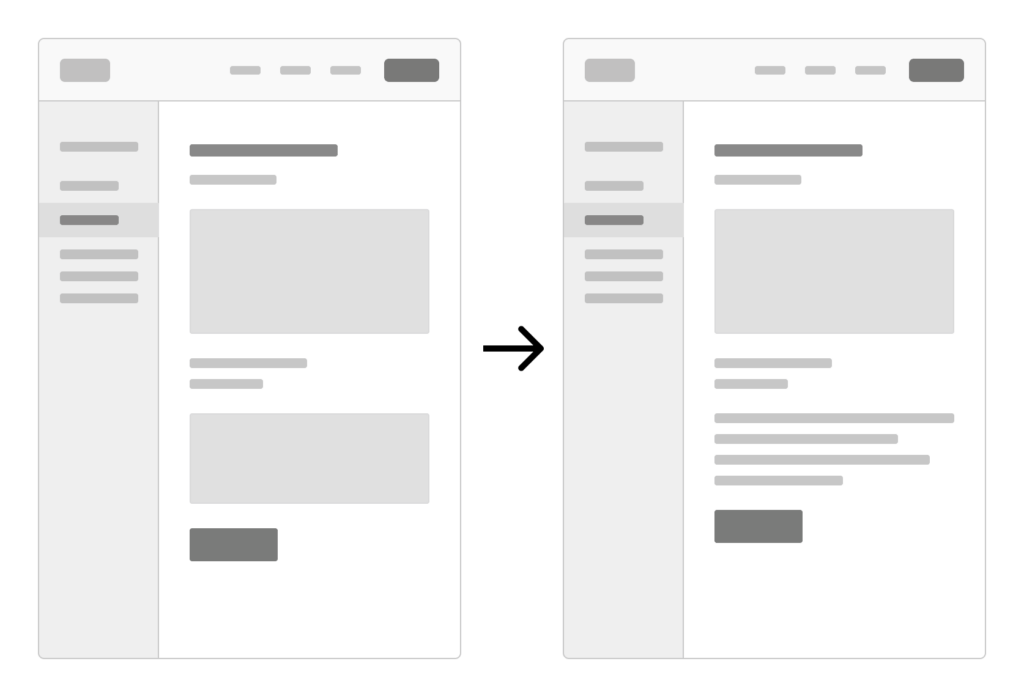
3. Maintaining consistent layouts and interaction patterns across the website
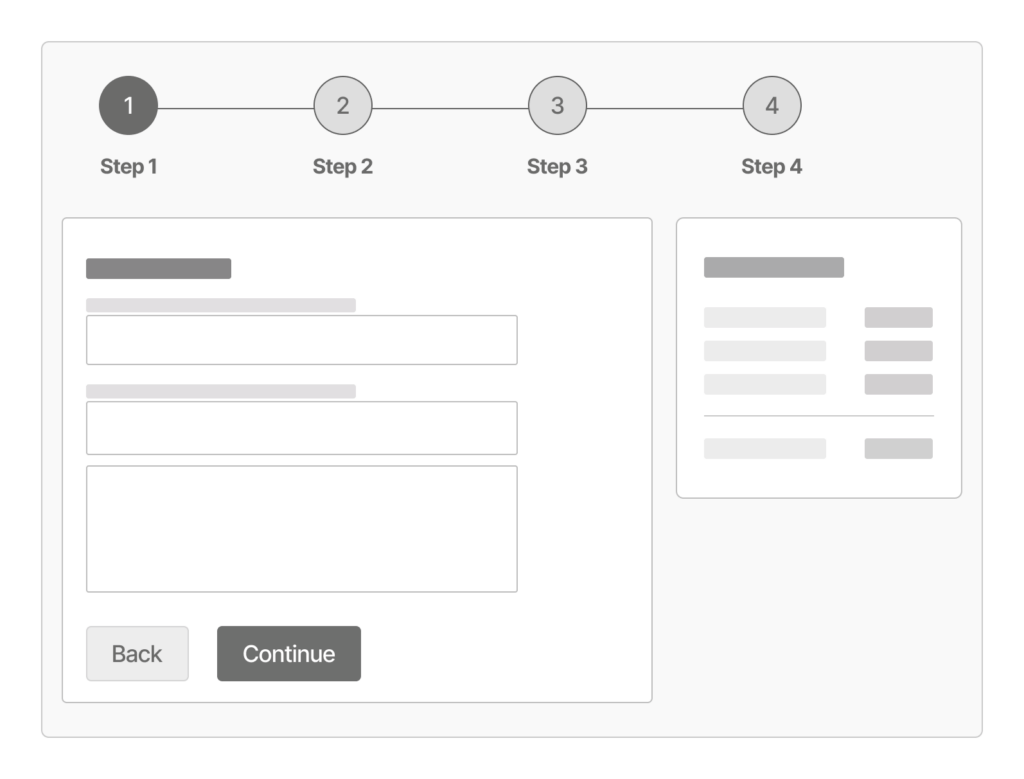
4. Breaking large workflows into manageable steps to help users maintain focus and understand progress.
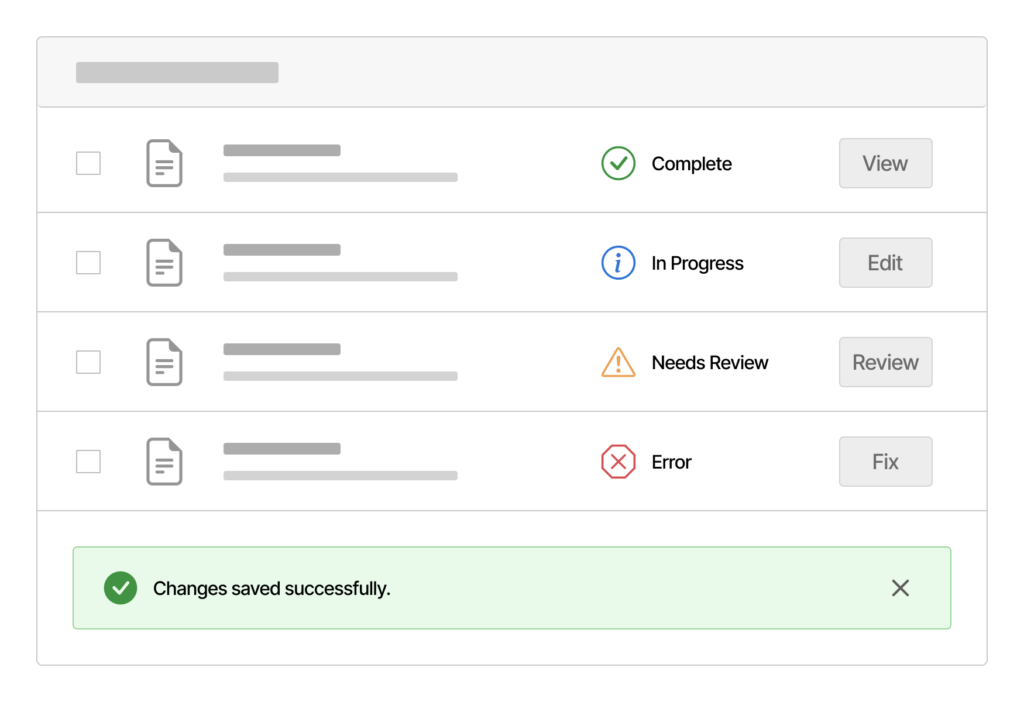
5. Providing multiple visual cues to communicate actions, status, and feedback.
These decisions help users process information more easily, especially when working quickly or juggling multiple responsibilities.
Designing for Focus and Understanding
Designing for neurodiversity improves usability for everyone. Clear structure, predictable layouts, and thoughtful hierarchy reduce cognitive friction and make websites easier to navigate.
For B2B organizations, this translates into faster task completion, fewer errors, and more confident users. When interfaces support different ways of thinking and processing information, they become more resilient in real working conditions.
In the next post in this series, we’ll explore how AI-assisted tools are helping teams scale accessibility and build more inclusive digital experiences.